Buff

A soft, light yellow named after buffalo leather.

Overview

Buff is a light, warm yellow with a soft, slightly brown cast. The code most color lists use, #F0DC82, has red and green high and blue at about half strength, so it reads as a pale golden yellow. It sits close to sand, but lighter and clearer.

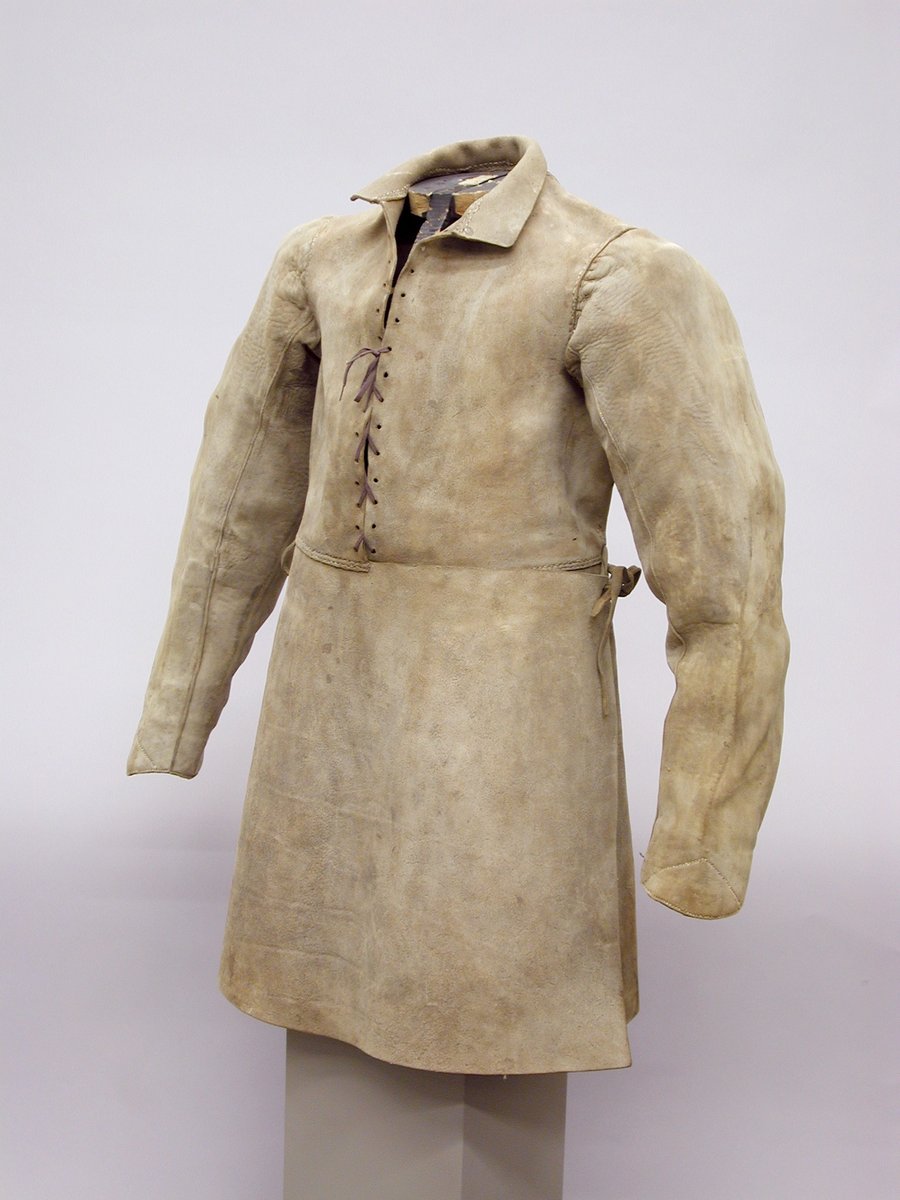
The name comes from a leather, not a pigment. Buff was the hide of the buffalo or ox, oil-tanned until it was supple and pale, and the word came into English through French buffle, wild ox. In the 1600s cavalrymen wore thick coats of it. By 1686 buff was a color word.

The web code is paler and yellower than the leather. Merriam-Webster gives buff two meanings, a moderate orange yellow and a light to moderate yellow, and this code is the second. Maerz and Paul’s 1930 A Dictionary of Color chose the first: the ISCC-NBS files its buff as a deeper orange yellow, the same group as the dictionary color of ochre. Buff coats in museums today are a grayish tan, and the schools that wear blue and buff use a tan buff too.

Buff is a gentle, sunny neutral. It needs dark text, since white text on buff can’t be read. Its classic partner is navy blue, the pairing of the Continental Army, and it also sits well with olive, brick red and charcoal.

HEX#F0DC82
RGBrgb(240, 220, 130)
HSLhsl(49, 79%, 73%)
HSV49°, 46%, 94%
CMYK0, 8, 46, 6
OKLCHoklch(89.2% 0.113 97.2)
Every code converts from the HEX value #F0DC82. No color standard defines buff. #F0DC82 is the code most color lists use; it was the swatch on Wikipedia’s buff article from 2004 to 2018 and fits Merriam-Webster’s second definition of buff, a light to moderate yellow, while the 1955 ISCC-NBS dictionary files the buff of Maerz and Paul’s A Dictionary of Color (1930) as a moderate orange yellow. CMYK is a screen-based estimate; print results vary.
Buff color card, hex #F0DC82: “’Buff said”

Buff on the color map

People’s average buff in the xkcd survey is paler and a touch greener, inside the outline above the reference. George Washington University’s buff is also inside, lower and to the left: darker, duller and more tan. The dictionary buff and Wikipedia’s current buff fall outside, well down and to the left, among the orange yellows and light browns. The leather of the old buff coat sits lower still, a grayish tan. The outline is an approximate range, not a measured one.

Shades and tints

Tints with white

Shades with black

Tones with gray

Buff sits in the middle. Tints add white, shades add black and tones add gray, in 10% steps out from it. Tap any swatch to copy its code.

Light and dark buff

#F9F1CD
Pale buffMixed 60% with white. A creamy off-white for backgrounds.
#F0DC82
BuffThe reference color.
#D6BF91
GW BuffGeorge Washington University’s buff, from its brand guidelines. A darker, duller tan.
#E3A857
Dictionary buffISCC-NBS moderate orange yellow, where the 1955 dictionary files Maerz and Paul’s buff. It matches Merriam-Webster’s first definition.
#B5A182
Buff leatherSampled from a 1600s buff coat at the Metropolitan Museum of Art. Real leather, centuries on.
#786E41
Dark buffMixed 50% with black. An olive brown that holds as text on white.

Colors that go with buff

Pairings that work in rooms, outfits and interfaces.

Blue and buff

The Continental Army’s colors, still worn by colleges and flown on state flags.

Buff and brick

Warm and earthy, like old brick beside pale stone.

Buff and olive

Soft and outdoorsy. Good for gardens, maps and travel.

Buff and charcoal

Modern and calm. The buff glows against dark gray.

Ocean liner

Buff funnels with black tops over white decks, as on the White Star Line’s ships.

Buff and sky blue

Light and airy. A soft pair for nurseries and summer.

Color-wheel palettes

Pick a palette to see where its colors sit on the color wheel. The caret marks buff. Tap a band to copy its code.

Similar colors

Mustard yellow80%Jasmine93%Naples yellow84%Manila79%BuffFlax99%Straw86%

Lined up by hue around buff. Hover a color to see how similar it is.The bar under each name shows how similar it is. Similarity comes from the distance between the two colors in OKLab, a model of how we see color.

Buff vs beige

Buff#F0DC82 · hue 49°
  • A clear, light yellow
  • Named after buffalo leather
  • The 1930 dictionary makes it a deeper orange yellow
Beige#F5F5DC · hue 60°
  • Much paler and grayer, almost an off-white
  • Named after undyed wool
  • The CSS keyword beige

Meaning

  • Buff leather
  • Uniforms
  • In the buff
  • Fire buffs

Buff carries the story of a material. It began as soft buffalo leather, became the coats of soldiers and the facings of uniforms, and lent its name to bare skin and to fans. No color study tests buff itself, so the claims here are about words and history, not psychology.

Named after buffalo leather

Well established

Buff began as a leather: the hide of the buffalo or ox, oil-tanned into a supple, pale skin. The word came into English through French buffle, wild ox, and first named garments of the leather, in 1570. In the 1600s cavalry and officers wore thick buff coats, sometimes under armor. Most were made of cowhide.1, 2
Blue and buff

Historical record

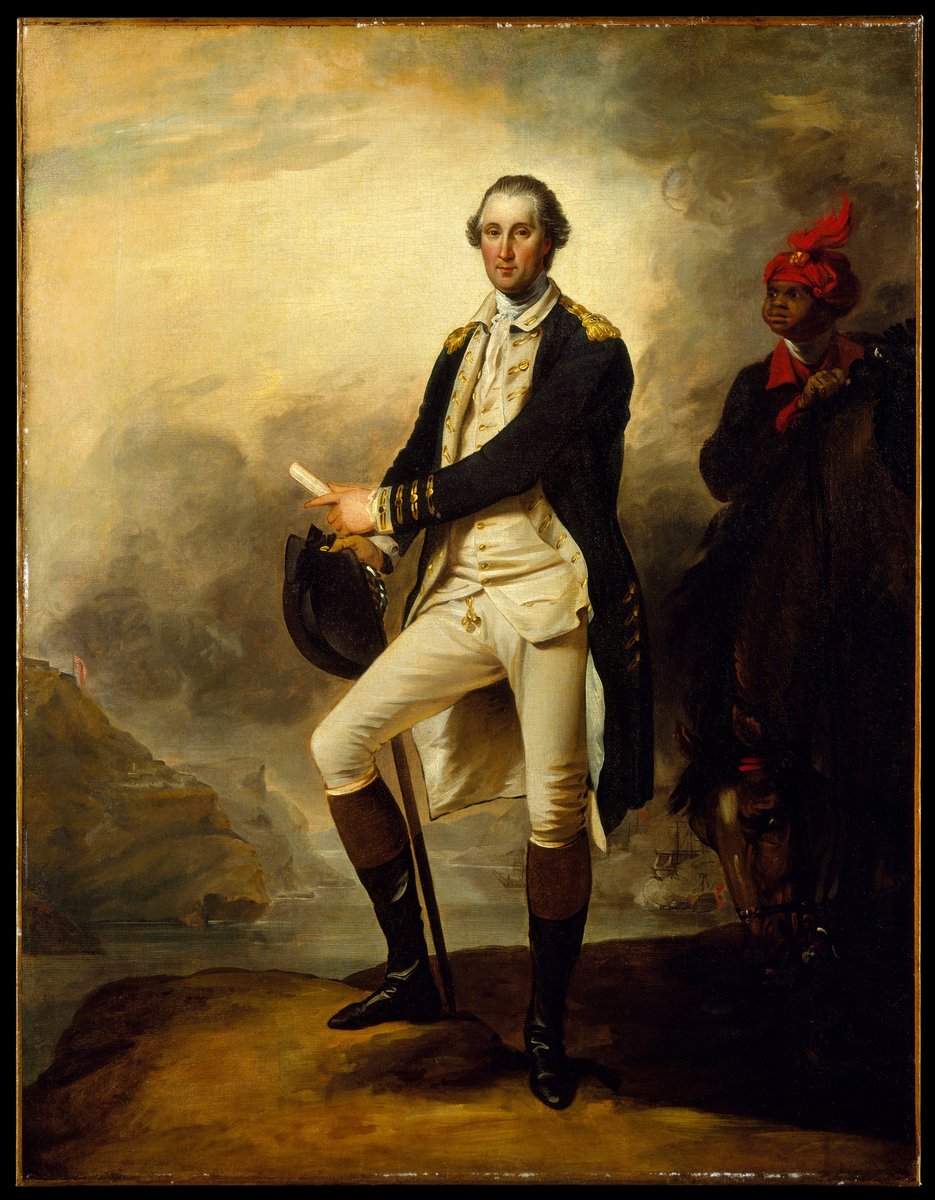
In 1779 Washington set the Continental Army’s uniform: blue coats, faced with buff for the New York and New Jersey regiments. The pairing lives on in George Washington University’s GW Blue and GW Buff, in Hamilton College’s Continental Blue and Buff, and on the flags of Delaware and New Jersey. Both state laws define buff by a textile color card: “golden beige” in Delaware, “U.S. Army buff” in New Jersey.3, 4, 5, 6, 7

From leather coat to bare skin

Likely origin

“In the buff” means naked. The phrase first meant wearing a buff coat. By 1602 it meant bare skin, likening skin to the pale leather. That is the usual explanation, and it rests on a handful of early quotations.1, 8

Why a fan is a buff

Disputed origin

A film buff or history buff is an enthusiast. Merriam-Webster says the word first meant someone keen on going to fires, perhaps from the buff overcoats of New York City’s volunteer firefighters around 1820. A 1967 history of firefighting tells it differently: fire watchers huddled under buffalo robes and were nicknamed “buffaloes”. Either way, the trail leads back to the buffalo.1, 9

Sources (9)
  1. Merriam-Webster, “buff”, noun senses 1, 2, 3 and 5, with etymology and first known use.
  2. Wikipedia, “Buff coat”, citing Dowen, “The Seventeenth Century Buff Coat”, Journal of the Arms and Armour Society (2015), Tincey, Ironsides (2002), and Doering, “Buff Coats, 1600–1714” (2016).
  3. George Washington, “General Orders, 2 October 1779”, Founders Online, National Archives.
  4. George Washington University, “Color Palette”, Brand Guidelines, Office of Communications and Marketing.
  5. Hamilton College, “College Colors”, Graphic Identity style guide.
  6. Delaware Code, Title 29, § 306, State flag.
  7. Flags of the World, “New Jersey (U.S.)”, quoting Chapter 170, Laws of New Jersey, approved 30 September 1965.
  8. Gary Martin, “In the buff”, The Phrase Finder, citing Thomas Dekker, Satiromastix (1602).
  9. Robert W. Masters, “What is a Fire Buff?”, from Pictorial History of Firefighting, revised ed. (1967).

History

Buff was a leather before it was a color, and a coat before it was a uniform color. From soldiers’ coats the word wandered to state flags, bare skin and fans.

  1. 1570

    First known use of “buff” in English, for a garment of buff leather. The word came through French buffle, wild ox, from Italian bufalo.1

  2. About 1600–1680s

    Cavalry and officers across Europe wear buff coats of thick, oil-tanned leather, often under a steel breastplate.2

  3. 1602

    Thomas Dekker’s play Satiromastix uses “in buff” for bare skin, the first record of the phrase meaning naked.3

  4. 1686

    First recorded use of buff as a color word in English: The London Gazette describes “a Red Coat with a Buff-colour’d lining”.4

  5. 1751

    The British Army’s 3rd Regiment of Foot, nicknamed for the buff coats it was first issued and later for its buff facings, takes “The Buffs” into its official title.5

  6. 1779

    Washington’s general orders put the Continental Army in blue coats, faced with buff for the New York and New Jersey regiments.6, 8

  7. About 1820

    New York City’s volunteer firefighters wear buff overcoats, perhaps the start of “buff” for an eager fan of fires, and later of anything.1

  8. 1930

    Maerz and Paul’s A Dictionary of Color prints a buff sample. The 1955 ISCC-NBS dictionary files it as a moderate orange yellow, #E3A857.7

  9. 1965

    New Jersey makes buff and Jersey blue its official colors, defining buff by a textile color card as “U.S. Army buff”.8

  10. 2004–2018

    Wikipedia’s article on buff shows #F0DC82, the code most color lists still use. In 2018 the article switches to a computed paint mix, #E0AB76.9

Sources (9)
  1. Merriam-Webster, “buff”, etymology, first known use and sense 5.
  2. Wikipedia, “Buff coat”, citing Dowen (2015), Tincey (2002) and Haythornthwaite (1983).
  3. Gary Martin, “In the buff”, The Phrase Finder.
  4. Oxford English Dictionary, entry “buff, adj.1”, as cited in Wikipedia, “Buff (colour)”.
  5. National Army Museum, “The Buffs (Royal East Kent Regiment)”.
  6. George Washington, “General Orders, 2 October 1779”, Founders Online, National Archives.
  7. Jaffer, A. “Maerz and Paul color names”, with ISCC-NBS centroids from “Color-Name Dictionaries”, MIT CSAIL.
  8. Flags of the World, “New Jersey (U.S.)”, quoting Chapter 170, Laws of New Jersey (1965).
  9. Wikipedia, “Buff (colour)”, revisions of 20 November 2004 and 28 July 2018.

Buff in use

A long-sleeved coat of pale grayish tan leather with a turned-down collar, laced down the chest with a thin cord, on a stand against a gray backdrop
#C0AE91#B5A182#AA9475#978269
Arms and armorBuff coat, Europe (1600s)

A long-sleeved leather coat, 89 cm long, laced at the chest with string, the kind of coat that gave the color its name. Today its leather reads about #B5A182 in the photo: a grayish tan, much darker and duller than the web code.

#C0AE91#B5A182#AA9475#978269
Source: The Met
Full-length portrait of George Washington in a dark blue coat with gold epaulets over a buff waistcoat and breeches, standing on a hill above a river, with a man in a red turban holding a horse behind him
#DCC688#B7A063#947132#1D140F
PaintingGeorge Washington, John Trumbull (1780)

Washington in the Continental Army’s blue and buff: a blue coat over a buff waistcoat and breeches. Trumbull, once his aide, painted it from memory in London. Holding the horse is a man usually identified as William Lee, who was enslaved by Washington and served at his side through the war. Where the light falls, the buff reads about #DCC688, a little darker and grayer than the web code. The blue coat reads almost black.

#DCC688#B7A063#947132#1D140F
Source: The Met

Logos belong to their owners and are shown unaltered, only to show where each palette comes from. Palettes are sampled in-house.

Questions

What color is buff?

A soft, light yellow with a slight brown cast. The code most color lists use is #F0DC82 (RGB 240, 220, 130). Maerz and Paul’s 1930 color dictionary makes buff a deeper orange yellow, closer to #E3A857.

Where does the name buff come from?

From buff leather, the oil-tanned hide of the buffalo or ox. The word came into English from French buffle, wild ox, and first named leather garments. As a color word it dates from at least 1686.

Why does “in the buff” mean naked?

A buff coat was a leather coat worn by soldiers, so being in buff first meant wearing one. By 1602 the phrase meant bare skin, likening skin to the pale leather.

Why is an enthusiast called a buff?

Merriam-Webster traces it to New York City’s volunteer firefighters, who wore buff overcoats around 1820. People keen on going to fires became fire buffs, and the word spread to film buffs and history buffs. Another account says fire watchers huddled under buffalo robes and were nicknamed buffaloes.

What is the difference between buff and beige?

Buff (#F0DC82) is a clear, light yellow. Beige (#F5F5DC) is much paler and grayer, almost an off-white. Both began as natural materials: buff as leather, beige as undyed wool.

Where does the code #F0DC82 come from?

No standard defines it. It was the swatch on Wikipedia’s buff article from 2004 to 2018, and it is the code most color lists use. Over the years the article credited it to an online forum, a color website and Maerz and Paul’s 1930 dictionary, but the ISCC-NBS places that dictionary’s buff at a deeper orange yellow, #E3A857.

What colors go with buff?

Navy blue is the classic partner, from the blue and buff uniforms of the American Revolution. Olive, brick red, charcoal and sky blue work too. Use dark text on buff, since white text is unreadable.