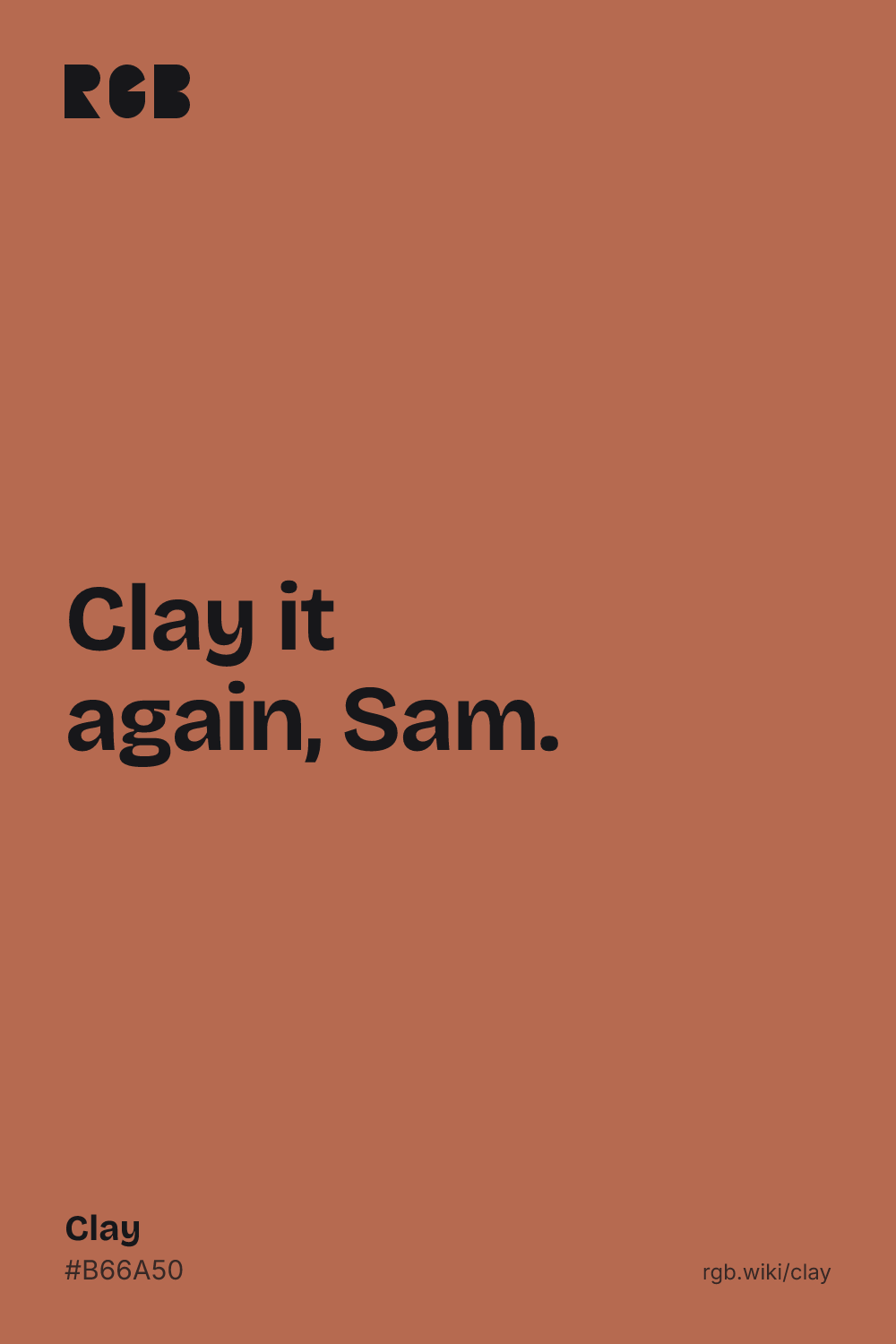
Clay is a muted reddish brown, softer and browner than terracotta. Its code, #B66A50, has red at about 70% strength with much less green and blue, which gives a warm, earthy brown with a hint of rose.
The code comes from people, not from a standard. In the xkcd color survey of 2010 it is exactly the average of all the colors people named “clay”, and an earlier online survey by HP Labs came out almost the same. The old dictionaries pictured something yellower: Maerz and Paul’s A Dictionary of Color (1930) filed clay among the yellowish browns.
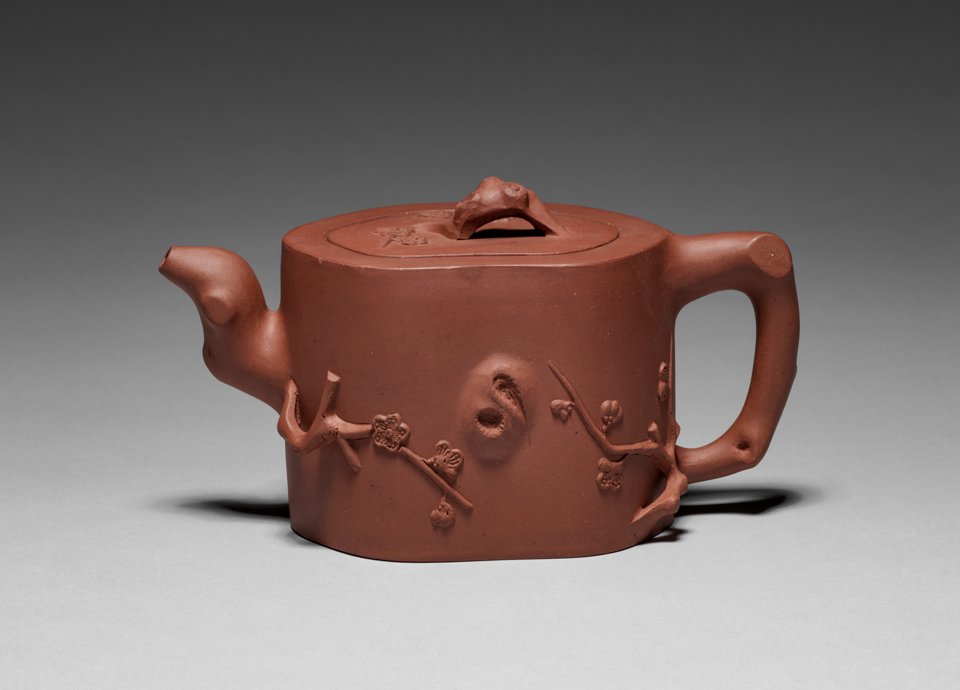
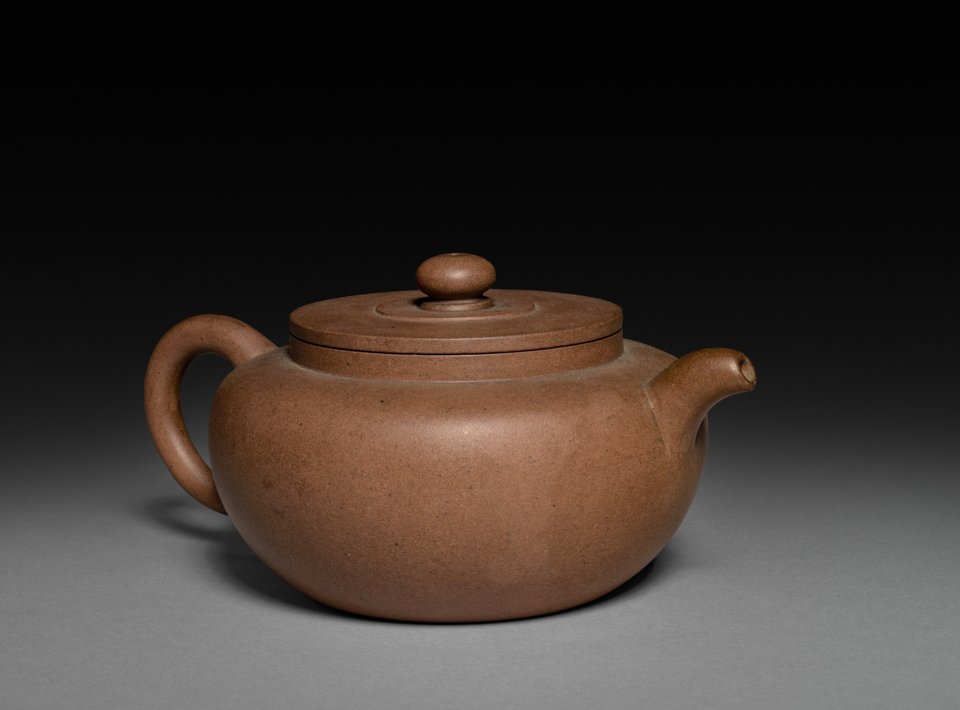
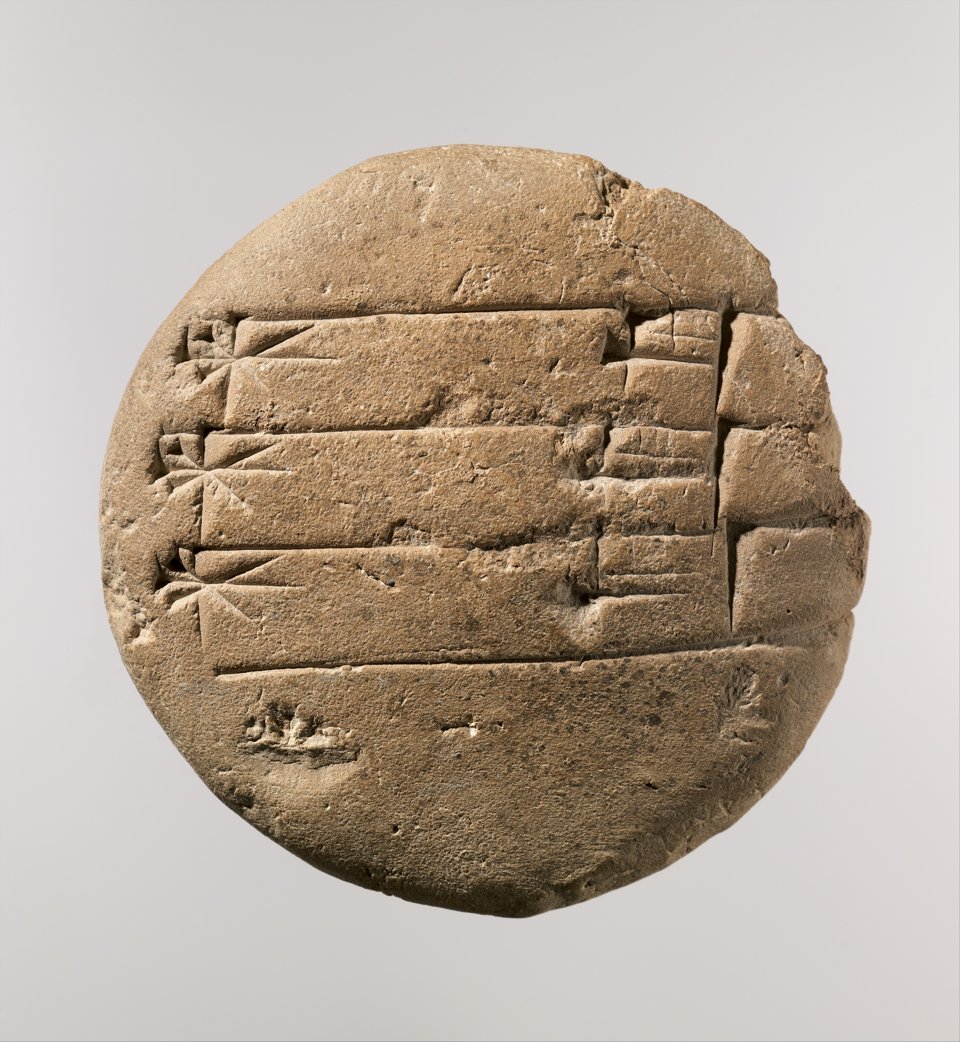
Real clay covers all of these and more. Pure clay minerals are white or nearly so, which is why kaolin, the clay of porcelain, is also called china clay. Small amounts of iron oxide turn clay pink, orange, red or brown. The potters of Yixing in China work with clays that fire purple, red or beige, darker the more iron they hold.
Clay is a medium tone, so black text reads better on it than white. It pairs well with sage, cream, olive and slate blue, and it is a softer, dustier alternative to terracotta.