Manila

A pale folder yellow named for a paper, which was named for a rope fiber, which was named for a city.

Overview

Manila is a pale, soft yellow with a faint brownish cast: the color of a new file folder or office envelope. Its code is #F0E2A8, red 240, green 226 and blue 168. Red and green sit high and blue well below them, which tints white toward a muted straw. It is almost the same color as vanilla, #F3E5AB, and a touch paler and grayer than buff.

The name runs back through three things. Manila is the capital of the Philippines; Manila hemp, or abacá, is a banana relative grown there whose leaf-stem fiber made strong, salt-resistant ships’ rope; and manila paper was first made in the United States in the 1830s, when papermakers short of cotton and linen rags pulped old manila rope. The Guggenheim Museum writes that the golden abacá fibers gave the paper its color. Wood pulp later replaced the fiber, but, in the museum’s words, “the name and color remain”. A 1982 bookbinding dictionary defines manila as “a color and finish of a paper” that “contains no manila” at all.

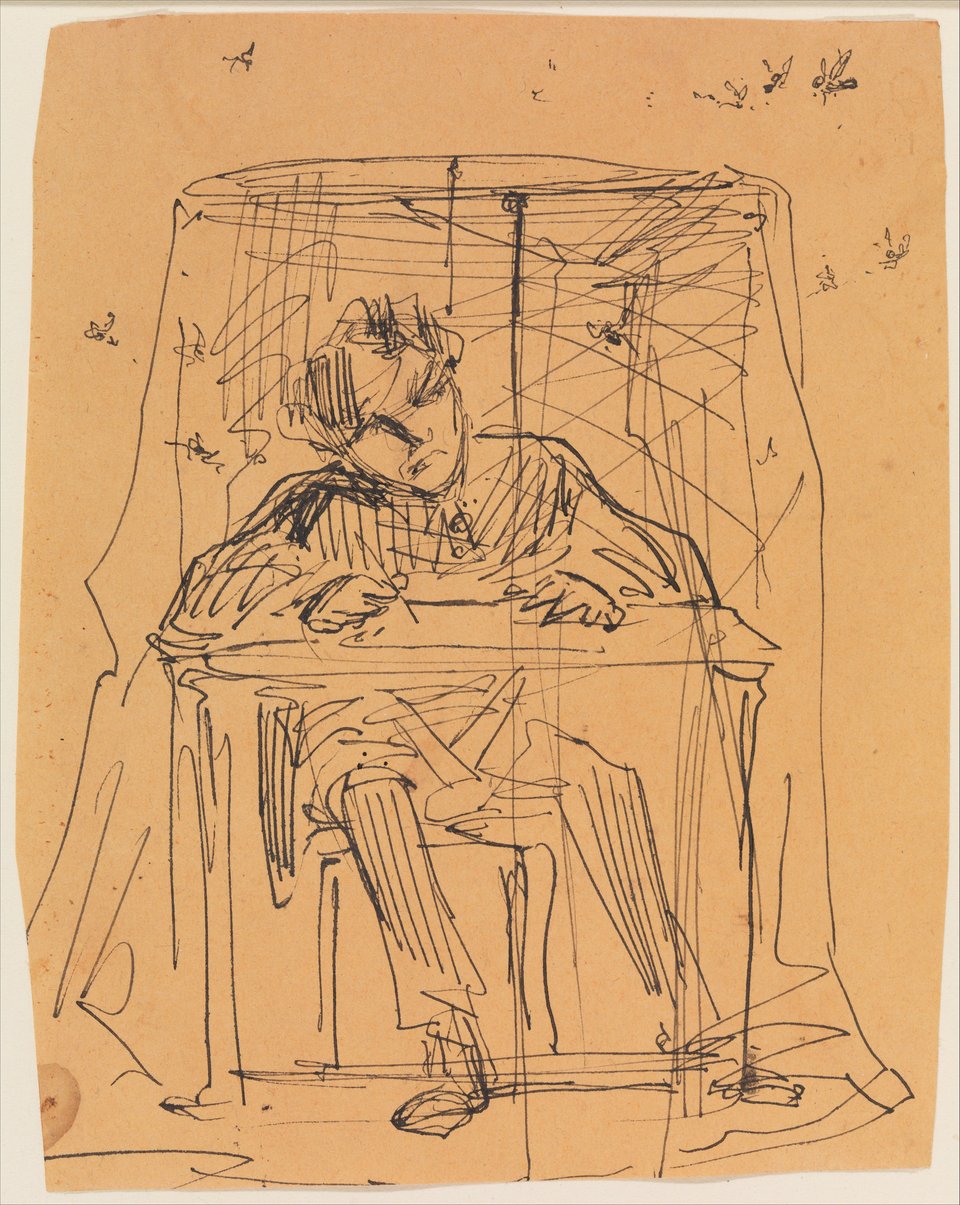
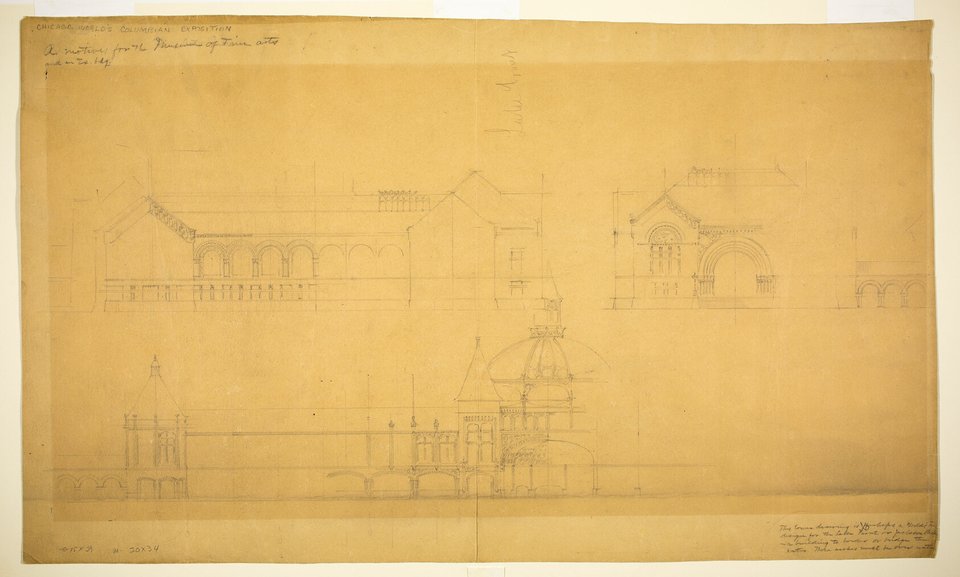
Real manila paper has never had one exact color, and old sheets are much deeper than the web code. Maerz and Paul’s 1930 A Dictionary of Color printed a manila sample that the ISCC-NBS dictionary files as light yellowish brown, about #C19A6B. In museum photos, John Wellborn Root’s 1890 sketches on manila paper read about #E9BF70, and a page from Whistler’s 1850s sketchbook about #DFAD72; age darkens paper, so read these as old manila, not new. The xkcd survey’s “manilla” goes the other way, a bright #FFFA86.

On screens, manila works as a warm, papery background. Black text on it has a contrast of about 16:1, while white text manages only 1.3:1, so use dark text. It pairs well with slate gray, navy, black ink and a red accent, the colors of a filing cabinet. Next to wheat it is yellower and less peachy; next to beige it is warmer and more clearly yellow.
HEX#F0E2A8
RGBrgb(240, 226, 168)
HSLhsl(48, 71%, 80%)
HSV48°, 30%, 94%
CMYK0, 6, 30, 6
OKLCHoklch(91.0% 0.076 96.2)
Every code converts from the HEX value #F0E2A8. No color standard or dictionary defines #F0E2A8 for manila; it is a common screen value for the pale yellow of a new folder. Its nearest dictionary point is #F3E5AB, the center of ISCC-NBS group 89, pale yellow, less than one unit away (ΔE). The ISCC-NBS dictionary files the manila of Maerz and Paul’s A Dictionary of Color (1930) as light yellowish brown, #C19A6B, and the xkcd survey gives “manilla” as #FFFA86. CMYK is a screen-based estimate; print results vary.
Manila color card, hex #F0E2A8: “The thrilla in manila”

Manila on the color map

The ISCC-NBS pale yellow center sits on top of the code, inside the outline. The xkcd survey’s “manilla” sits above and to the right: lighter, yellower and more intense. The two old papers sit below the outline and to the left, deeper and more orange, with Whistler’s page further out than Root’s. Maerz and Paul’s dictionary sample lies far below, a light brown. Colors in photos shift with the lighting and paper darkens with age, so read those as close, not exact. The outline is an approximate range, not a measured one.

Shades and tints

Tints with white

Shades with black

Tones with gray

Manila sits in the middle. Tints add white, shades add black and tones add gray, in 10% steps out from it. Tap any swatch to copy its code.

Light and dark manila

#F6EECB
Light manilaMixed 40% with white.
#F3E5AB
VanillaThe center of ISCC-NBS pale yellow, a hair lighter than manila and nearly the same color. See vanilla
#F0E2A8
ManilaThe reference color.
#F0DC82
BuffThe usual screen value for buff, the word Wikipedia uses for manila paper’s color. Deeper and more golden. See buff
#C0B586
Dark manilaMixed 20% with black.
#C19A6B
Dictionary manilaLight yellowish brown, the ISCC-NBS group for Maerz and Paul’s 1930 manila sample.
#908865
Deep manilaMixed 40% with black: a grayish olive tan.

Colors that go with manila

Pairings that work in rooms, outfits and interfaces.

Filing cabinet

Folder, steel drawer, typewriter ink and a red tab: the office the color comes from.

Architect’s sketch

From John Wellborn Root’s 1890 drawings: aged manila paper and soft graphite gray.

Manila rope

Abacá fiber, tarred rope and sea blue, for the ships whose old ropes became paper.

Case file

Manila and navy with a stamp red. Suits archives, records and documentary design.

Paper goods

Manila beside kraft brown and plain white, like a stack of envelopes. Warm and unfussy for packaging.

Manila on charcoal

Quiet and modern. Manila text and buttons read soft and warm on a dark background.

Color-wheel palettes

Pick a palette to see where its colors sit on the color wheel. The caret marks manila. Tap a band to copy its code.

Similar colors

Navajo white87%Moccasin86%Wheat89%Peach86%Vanilla95%ManilaPale goldenrod93%

Lined up by hue around manila. Hover a color to see how similar it is.The bar under each name shows how similar it is. Similarity comes from the distance between the two colors in OKLab, a model of how we see color.

Manila vs vanilla

Manila#F0E2A8 · hue 48°
  • A hair darker and grayer
  • Named for paper made from rope fiber
  • No standard defines its code
Vanilla#F3E5AB · hue 48°
  • A hair lighter and creamier
  • Named after a flavor
  • The center of the dictionary’s pale yellow

Meaning

  • Folders and envelopes
  • Records and paperwork
  • Abacá fiber
  • Ships’ rope and trade

Manila means paperwork: the folder in the filing cabinet and the envelope that holds documents. Behind that office image is a plant, a rope and a colonial trade. Color research tests broad words such as yellow or brown, never manila, so the claims below are about the word’s history, the paper and how it has been read.

Named for a fiber, not a dye

Word history

Merriam-Webster records Manila hemp from 1814, named for Manila in the Philippines, and manila, “made from Manila hemp” or “made of manila paper”, from 1820, with manilla as a less common spelling. Manila hemp is abacá, Musa textilis, a banana relative whose fiber made strong, salt-resistant rope.1, 2

The color outlived the fiber

Trade dictionary

Paper mills swapped expensive abacá for wood pulp but kept the look. A 1982 bookbinding dictionary defines manila as “a color and finish of a paper resembling that at one time obtained in paper manufacture from manila fibers, but which contains no manila”. The Guggenheim Museum puts it simply: “the name and color remain.”3, 4

A sign of record keeping

Exhibition design

For its 2021 exhibition Off the Record, about artists who rework official documents, the Guggenheim used “the manila envelope’s recognizable hue” as the show’s main color, calling the envelope “ubiquitous in modern record keeping”. The idea came from a work in the show that layers photographs on a used manila envelope.4

Tied to a colonial trade

Historical account

The same museum notes that the envelope “embodies a history of global trade, war, and colonialism”. During American rule of the Philippines, from 1898 to 1946, it writes, the colonial government kept Filipinos from profiting from abacá and sent most of the harvest to the United States, which needed manila rope for military use.4

Effects on mood are untested

Study of basic color words

Large studies of color and emotion, such as a 2020 survey of people in 30 nations, ask about basic color words like yellow and brown, not named shades. No study we found tests manila itself, so claims that it feels calm or dull are opinion, not findings.5

Sources (5)
  1. Merriam-Webster, “manila” (adjective, first known use 1820, variant manilla), “Manila hemp” (1814) and “manila paper” (1866).
  2. Wikipedia, “Abacá”: Manila hemp, Musa textilis, endemic to the Philippines; uses for rope and specialty paper.
  3. Roberts, M. T. & Etherington, D. (1982). Bookbinding and the Conservation of Books: A Dictionary of Descriptive Terminology, Library of Congress, entry “manila”.
  4. Guggenheim Museum, “A Manila Envelope: The Inspiration behind an Exhibition’s Graphic Identity”, Checklist, April 2, 2021.
  5. Jonauskaite, D. et al. (2020). Universal patterns in color-emotion associations are further shaped by linguistic and geographic proximity. Psychological Science, 31(10). doi:10.1177/0956797620948810

History

Manila became a color by way of a plant, a rope and a paper mill. The story runs from Philippine fiber to American offices, where the fiber vanished and the color stayed.

  1. 1521

    Ferdinand Magellan’s expedition reaches the Philippines, where people already grow abacá and weave its fiber into cloth: Europe’s first contact with the plant.1

  2. 1814

    First known use of “Manila hemp” in English, for the abacá fiber shipped from Manila and made into rope. “Manila” as an adjective, made from that hemp, follows in 1820.2

  3. 1830s

    Short of cotton and linen rags, American papermakers turn old manila rope from ships into paper pulp. The paper is strong, water resistant and flexible, and its golden fiber gives it its color.3

  4. 1843

    Mark Hollingsworth and his sons John and Lyman patent a way “to manufacture paper from manila fibers”; their firm becomes Hollingsworth & Vose.4

  5. 1854–55

    James McNeill Whistler sketches a man at a table under a mosquito net on paper the Met now catalogs as “manilla-colored”.5

  6. 1866

    First known use of the phrase “manila paper”, which Merriam-Webster defines as a strong paper “of a brownish or buff color”.2

  7. c. 1890

    Chicago architect John Wellborn Root sketches a proposed fine arts museum for the World’s Columbian Exposition in graphite on manila paper.6

  8. 1898–1946

    Under American rule of the Philippines, the Guggenheim writes, most of the abacá harvest is steered to the United States, which needs manila rope for military use.3

  9. 1930

    Maerz and Paul’s A Dictionary of Color includes manila. The 1955 ISCC-NBS dictionary files their sample as light yellowish brown, about #C19A6B, far deeper than today’s screen value.7

  10. 1982

    A Library of Congress bookbinding dictionary defines manila as a color and finish of paper “which contains no manila”: wood pulp has taken over, and only the look remains.8

  11. 2021

    The Guggenheim builds the graphic identity of its exhibition Off the Record around the manila envelope’s hue, as a symbol of official records.3

Sources (8)
  1. Wikipedia, “Abacá”, history section, citing Wood & Roberts (2005).
  2. Merriam-Webster, “Manila hemp” (first known use 1814), “manila” (1820) and “manila paper” (1866).
  3. Guggenheim Museum, “A Manila Envelope: The Inspiration behind an Exhibition’s Graphic Identity”, Checklist, April 2, 2021.
  4. Wikipedia, “Manila paper”, citing Isaacs, N. (2025), “Evolution of Major Market Players, 1876–1919”, Journal of Preservation Technology 55(1/2).
  5. Metropolitan Museum of Art, James McNeill Whistler, Man at Table beneath Mosquito Net (from Sketchbook), 1854–55, black ink on manilla-colored wove paper (1970.121.40).
  6. Art Institute of Chicago, John Wellborn Root, Proposed Fine Arts Museum, World’s Columbian Exposition, Chicago, Illinois, Elevation Sketches, c. 1890/91, graphite on manila paper (1989.99.1).
  7. Kelly, K. L. & Judd, D. B. (1955). The ISCC-NBS Method of Designating Colors and a Dictionary of Color Names, NBS Circular 553, tabulated in Jaffer’s “Maerz and Paul color names” (manila: group 76, light yellowish brown).
  8. Roberts, M. T. & Etherington, D. (1982). Bookbinding and the Conservation of Books: A Dictionary of Descriptive Terminology, Library of Congress, entry “manila”.

Manila in use

A wide sheet of yellowed paper with faint pencil elevations of a long arcaded building, a domed pavilion and a round-arched entrance, with handwritten notes in the corners
#EDC373#E9BF70#DAAD5F#B89150
DrawingProposed Fine Arts Museum, World’s Columbian Exposition by John Wellborn Root (c. 1890/91)

Elevation sketches for a museum at Chicago’s 1893 world’s fair, drawn in graphite on manila paper shortly before Root died in January 1891. After more than a century the sheet reads about #E9BF70, with darker patches near #DAAD5F: a warm amber, much deeper than the web code #F0E2A8.

#EDC373#E9BF70#DAAD5F#B89150
Source: Art Institute of Chicago
A small tan sketchbook page with a loose black ink drawing of a man leaning on a table under a draped mosquito net, with tiny insects drawn around the top
#E1AD73#CC9B69#957253#675242
DrawingMan at Table beneath Mosquito Net by James McNeill Whistler (1854–55)

A quick pen sketch from Whistler’s youth, of a man slumped at a table inside a mosquito net, with insects buzzing outside. The Met calls the paper “manilla-colored”; in its photo the page reads about #DFAD72, a tan with an orange cast, and the ink about #675242.

#E1AD73#CC9B69#957253#675242
Source: The Met

Palettes are sampled in-house.

Questions

What color is manila?

A pale, soft yellow with a faint brownish cast, like a new file folder. A common code for it is #F0E2A8 (RGB 240, 226, 168).

Why are manila folders called manila?

Because manila paper was first made from Manila hemp, or abacá, a fiber from the Philippines named after the city of Manila. American papermakers began pulping old manila ship rope into paper in the 1830s. Folders today are made from wood pulp, but the name and the color stayed.

Is it spelled manila or manilla?

Both are used. Merriam-Webster lists manila first and manilla as a less common variant. The Met catalogs one of Whistler’s sketchbook papers as manilla-colored, and the xkcd color survey recorded the name as manilla.

Is there a standard hex code for manila?

No. No color standard or CSS keyword defines manila. #F0E2A8 is a common screen value, almost identical to the ISCC-NBS pale yellow center, #F3E5AB. Maerz and Paul’s 1930 dictionary sample is much darker, a light yellowish brown around #C19A6B.

What is the difference between manila and vanilla?

On screen, almost nothing: manila (#F0E2A8) is a hair darker and grayer than vanilla (#F3E5AB), and both have an HSL hue of about 48°. The difference is in the names: one comes from a paper, the other from a flavor.

Is manila the same as buff?

Close but not the same. Wikipedia describes manila paper as buff-colored, but the usual screen code for buff, #F0DC82, is deeper and more golden than manila’s #F0E2A8.

Why do old manila papers look darker than the code?

Paper yellows and browns with age and light. In museum photos, an 1890 sketch on manila paper reads about #E9BF70 and an 1850s page about #DFAD72, both far deeper than a new folder.

What colors go with manila?

Slate gray, navy and black ink for an office or archive look, a red accent like a folder tab, kraft brown for paper goods, and charcoal if you want manila text on a dark background.