Cinnabar is first a mineral: the heavy red ore of mercury. For at least 5,000 years people have ground it to cover the dead, to color cloth and to tint the thick red lacquer of China. It is also a poison, though how dangerous depends on how it is handled. No study tests how people feel about cinnabar as a color; mood research uses broad words such as red and orange.
The ore of mercury
Reference worksCinnabar is mercury sulfide, HgS, and the only important ore of mercury. The Handbook of Mineralogy calls it the most common mercury ore in the world. It forms where hot, mineral-rich water cools in cracks in rock.1, 2
Dark crystal, scarlet powder
Mineral dataCinnabar crystals run from deep red to brownish red and lead gray, with a diamond-like luster that turns almost metallic in dark pieces. Scratched across a tile, they leave a scarlet streak, and a 5,000-year-old powder from a Spanish tomb, ground and washed but never heated, is a bright red-orange. The web code is closer to the powder than to the crystal. Cinnabar also ranks second in the International Gem Society’s table of refractive indices, after hematite and well ahead of diamond.2, 3, 4
Red for the dead
ArchaeologyAbout 5,000 years ago, at the La Velilla tomb in Palencia, Spain, bones were covered with hundreds of kilograms of cinnabar powder, though no cinnabar mine lies within 160 km. The researchers think it was meant to preserve them. A linen scrap from a cave near Córdoba, from about 2500–2300 BCE, is the oldest surviving cinnabar-colored cloth in the western Mediterranean. In the 7th century, the Maya noblewoman known as the Red Queen was buried at Palenque under cinnabar powder.4, 5, 6
Poison in the bones
One studyHuman bones from three sites in southern Portugal, 5,400 to 4,100 years old, hold moderate to high levels of mercury. Isotopes traced the mercury in two people to cinnabar deposits near Almadén, Spain, and the authors conclude that using the mineral likely caused mild to severe mercury poisoning.7
Less toxic than other mercury, not harmless
Reviews, limited dataSolid cinnabar barely dissolves, and little is absorbed when it is swallowed: a 2008 review found that harming the nerves takes about 1,000 times the dose needed with methylmercury. But heating cinnabar releases mercury vapor, which is toxic to breathe, and long-term use can damage the kidneys. In 2008 about 40 traditional Chinese medicines still contained it, used to calm the nerves, and the review says the reason for including it is still unproven.8, 9
The red of carved lacquer
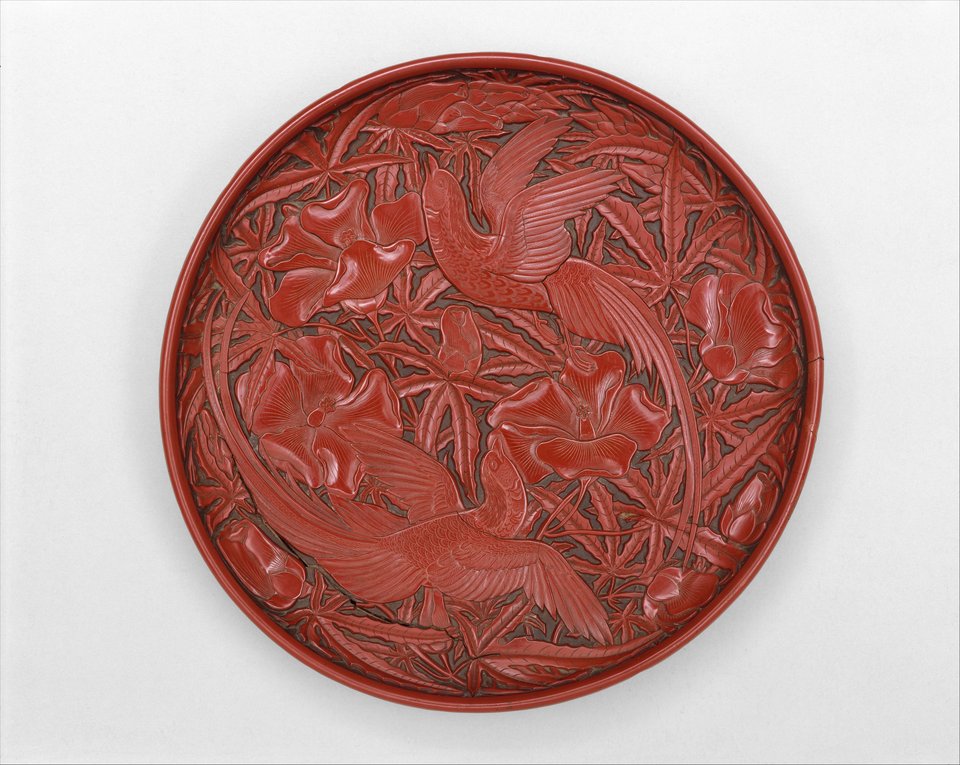
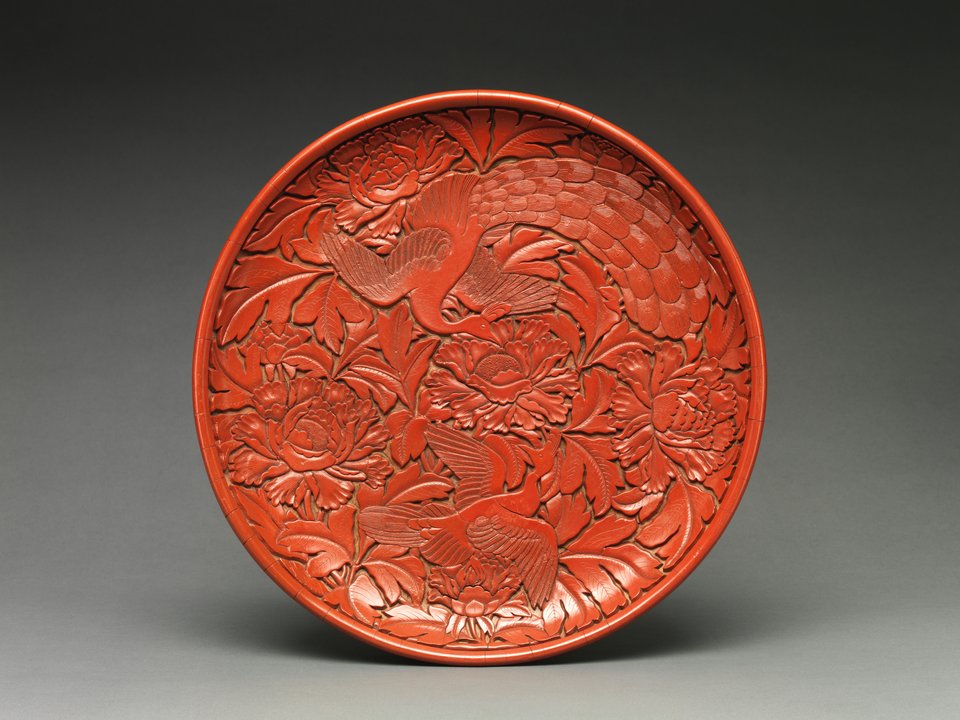
Documented useIn Chinese carved lacquer, red from cinnabar was by far the most common color. Makers built up many thin coats of lacquer and carved scenes into them, a technique that appears in the 12th century, and museums still call the result cinnabar lacquer. In the early Ming dynasty, makers seem to have switched from natural cinnabar to manufactured vermilion. Later the red shifted from brownish to a bright scarlet, for reasons that remain unclear.10, 11