Byzantium is a deep reddish purple, darker and grayer than a plain purple. Its usual code is #702963: red a little stronger than blue, with green kept low, at about 30% lightness. The code comes from the 1955 ISCC-NBS dictionary of color names, which files the byzantium sample from Maerz and Paul’s A Dictionary of Color (1930) under “deep reddish purple” and gives that group this center point.
The name belongs to a city. Byzantium was the Greek town on the Bosporus that Constantine refounded as Constantinople in 330, today’s Istanbul, and the name later stood for the empire ruled from it until 1453. As a color word it is modern: Maerz and Paul date it to 1926. Despite the name, it is not the emperors’ purple. That was Tyrian purple, a redder dye made from sea snails.
Because the code is the center of a group rather than a measurement of one sample, byzantium shares it with ten other names from the 1930 dictionary, among them amaranth and raisin purple. The byzantium sample itself sits on a border: the same dictionary also files it as dark reddish purple, #5D3954, a grayer shade that Wikipedia calls dark byzantium.
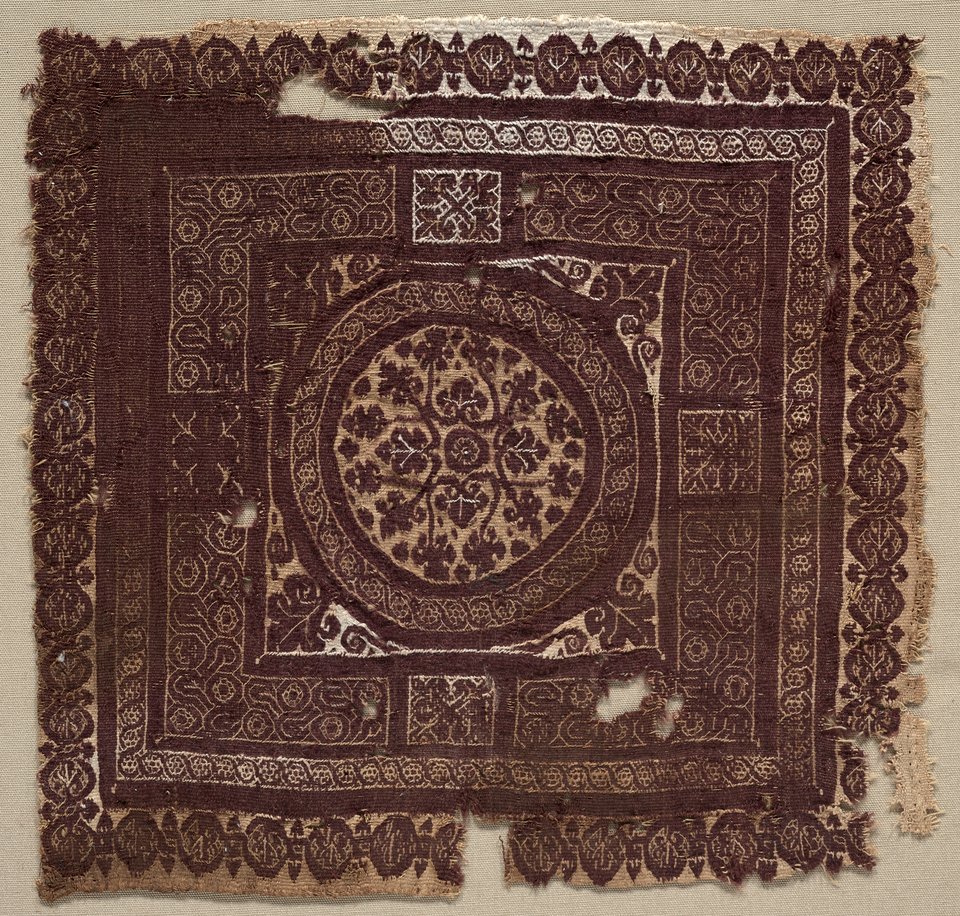
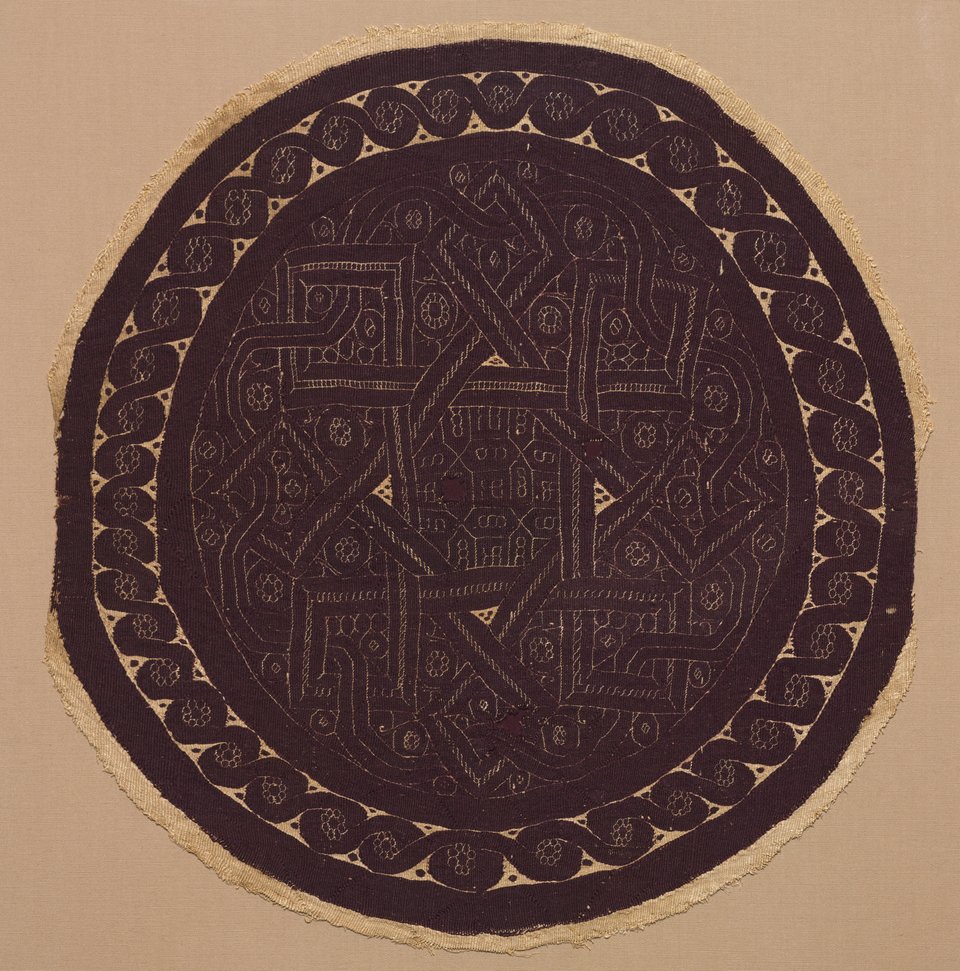
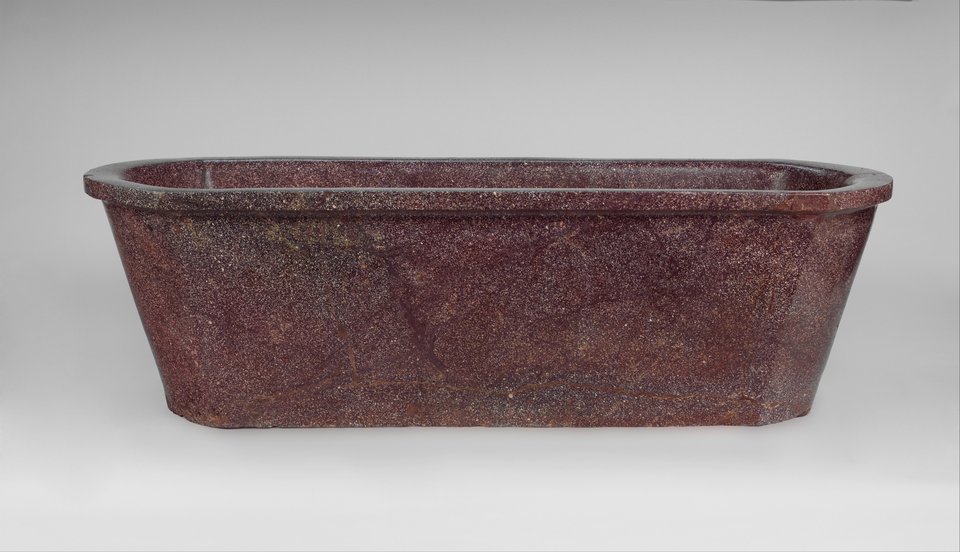
The empire’s own purples were rarely this even. Porphyry, the purple stone of the palace room where emperors’ children were born, is flecked with white, and purple wool from Byzantine Egypt, often dyed with plants or insects, now looks brownish in museum photographs. On screens, #702963 carries white text easily (9.6:1) and pairs well with gold, cream and deep teal.