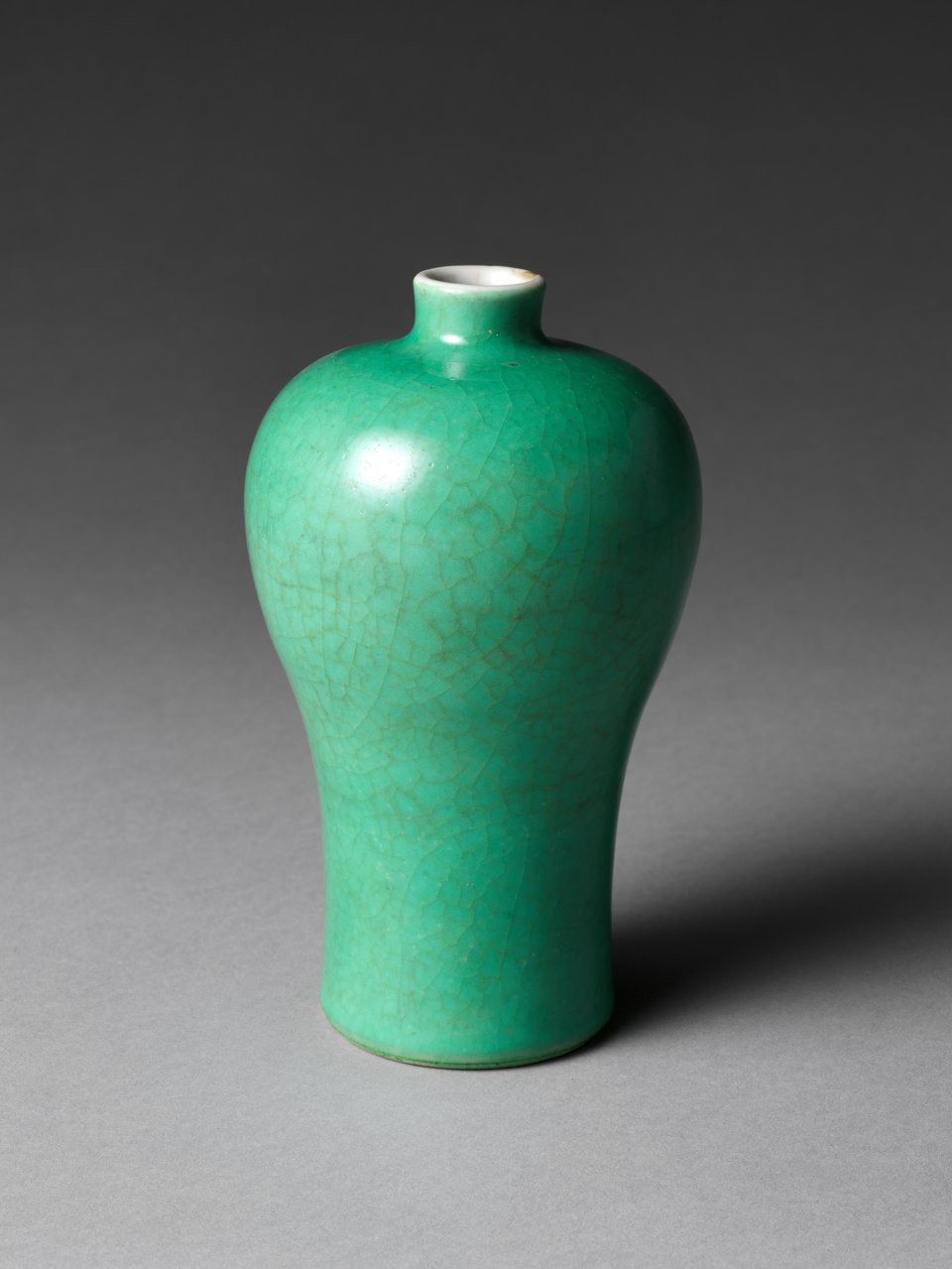
Apple green is a fresh, vivid yellow green named after the skin of an unripe apple. Its usual code, #8DB600, has strong green, a good deal of red and no blue at all, which gives it a crisp, slightly sharp look. Black text reads well on it; white text does not.
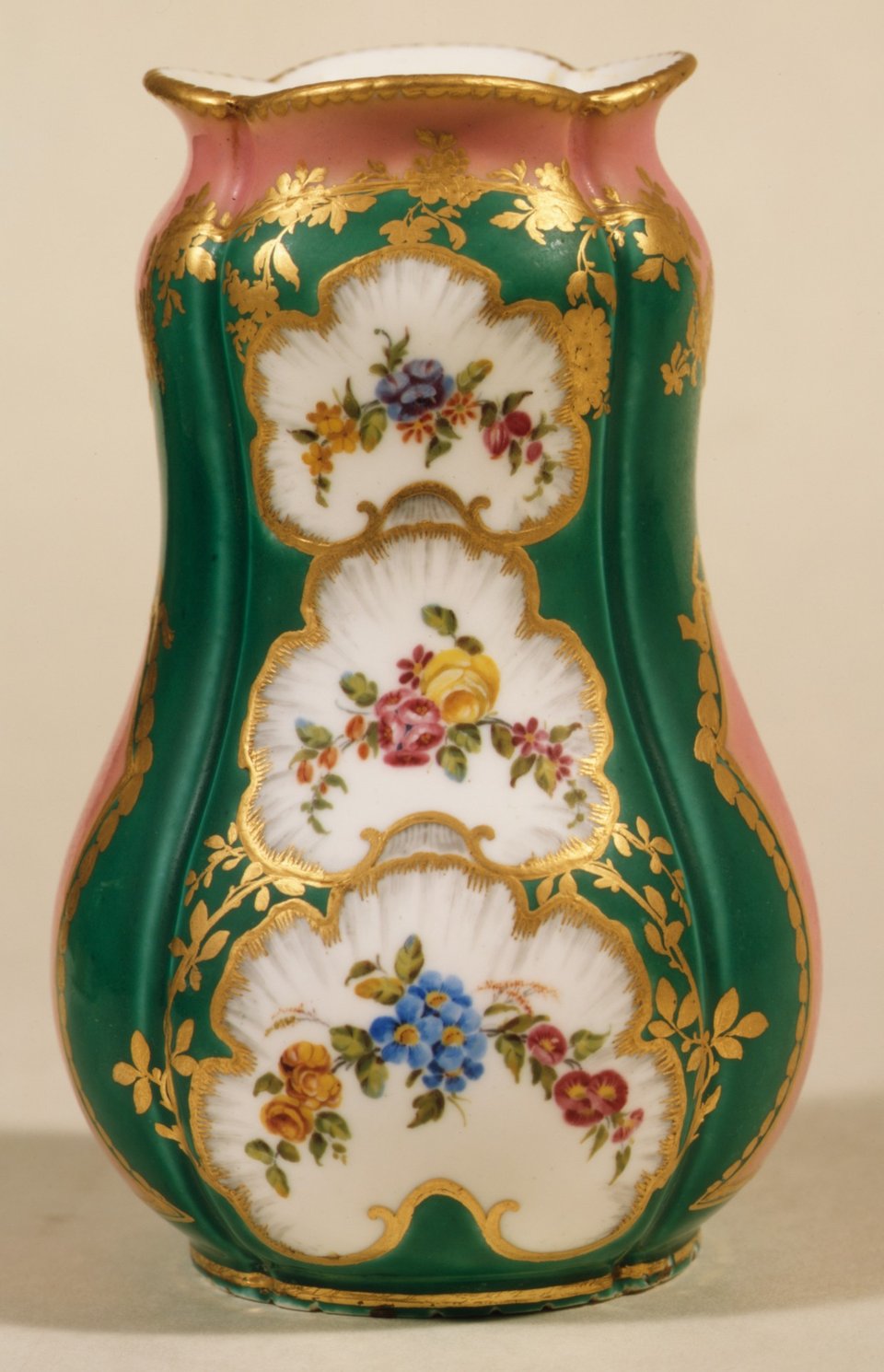
The name is old. Maerz and Paul’s A Dictionary of Color (1930) dates apple green as an English color name to 1648 and prints it in capitals, as a name in constant daily use. In French it is vert pomme. In the 18th century the porcelain factory at Sèvres became famous for its colored grounds, and its greens moved from bluish in the late 1750s to a yellower apple green in the 1770s.
The web code is brighter than the apple green of the old color books. Maerz and Paul wrote that apple green is “unmistakably a softer color” that “matches the ordinary green apple”, and the ISCC-NBS dictionary later filed their sample as a moderate yellow green, #8A9A5B. #8DB600 is instead the center of the ISCC-NBS category vivid yellow green, where a list of postage stamp colors puts apple green. People in the xkcd survey picture apple green lighter and greener still, at #76CD26.
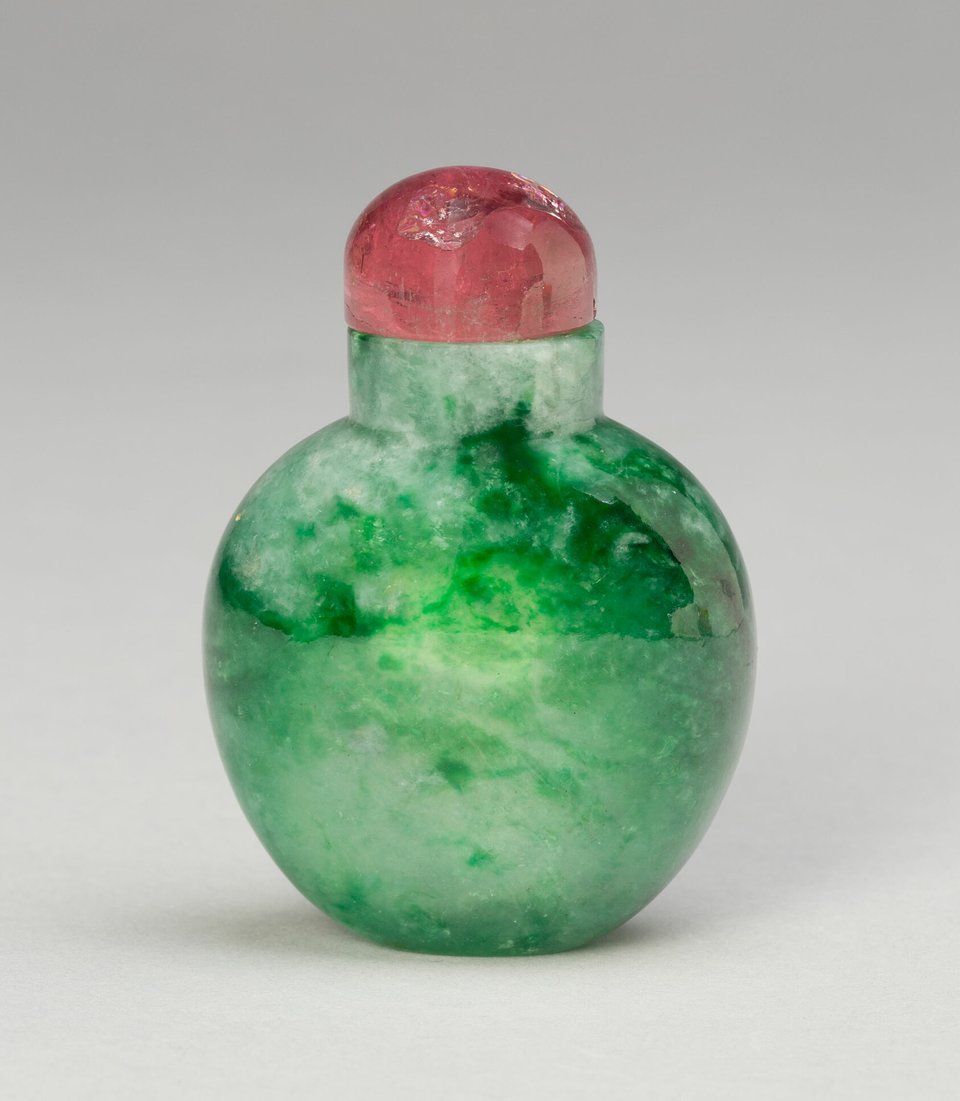
Outside the color books, apple green is the typical green of jadeite, one of the two jade minerals. It was the color of the passenger engines of Britain’s London and North Eastern Railway, and it is what New York transit staff call the color of the 4, 5 and 6 trains, though the subway’s code is a cooler, bluer green. In design, #8DB600 is a lively accent that pairs well with rose, cream, charcoal and soft lilac.