Heather gray is a soft mid gray. The code used here, #9C9A98, has red, green and blue almost level, with red a hair ahead and blue a hair behind, so it reads as neutral with only the faintest warmth. Among the named grays it sits between silver and charcoal, without the blue cast of pewter and slate gray or the brown of taupe.
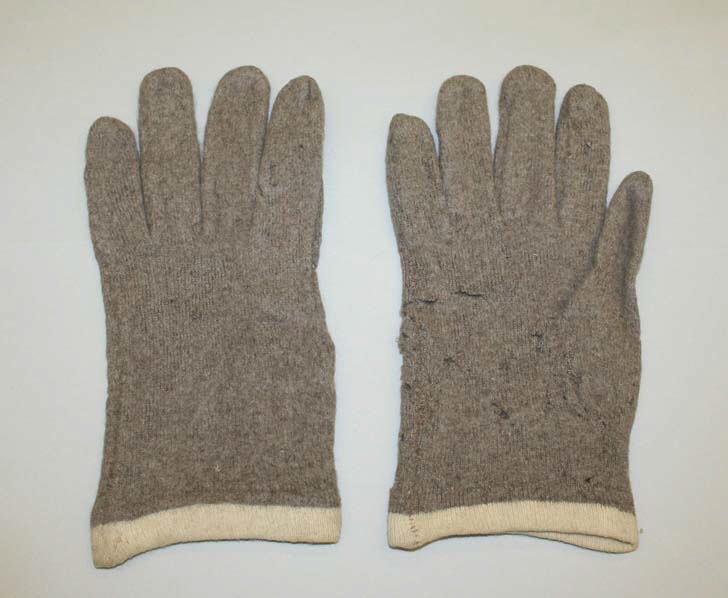
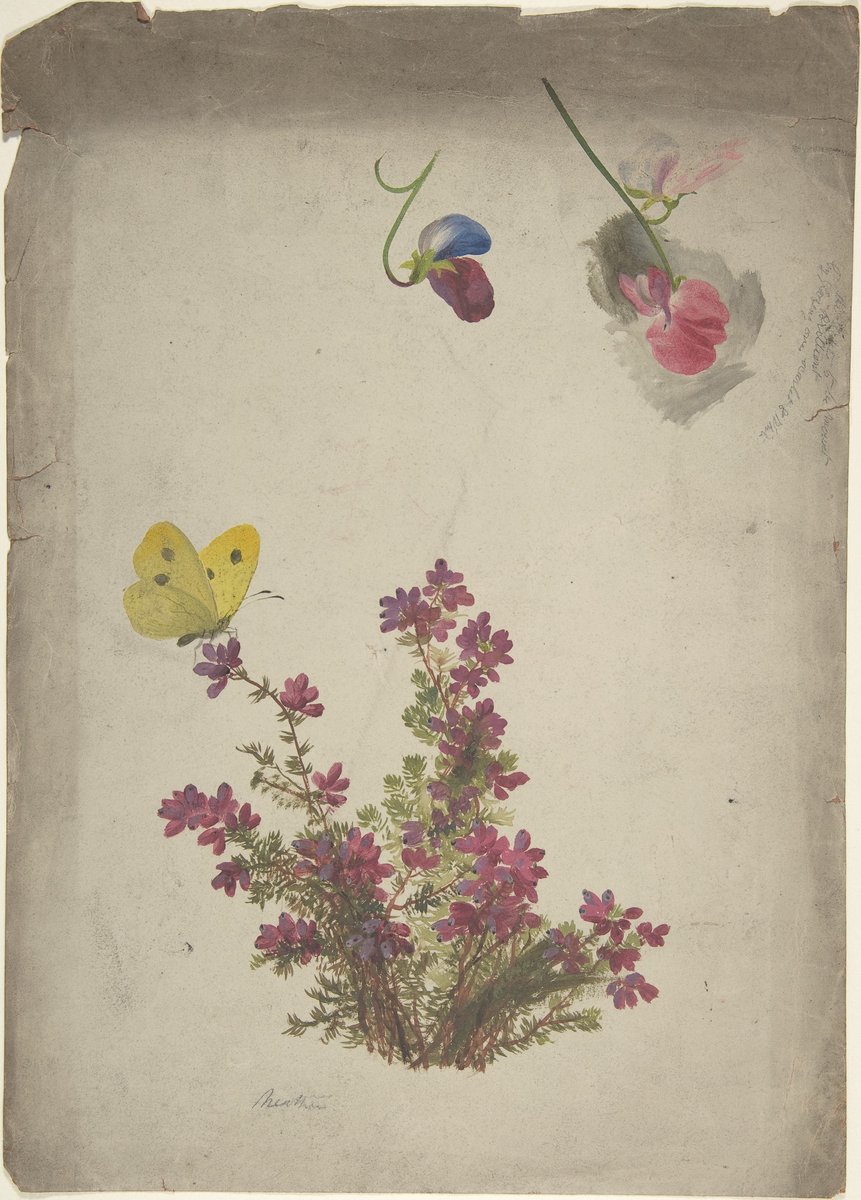
The name comes from heather, Calluna vulgaris, the low shrub of Scottish moors. Up close a heather moor is many colors at once: dark green leaves, pinkish-purple flowers, brown stems and faded blooms. In clothing, heather means the same kind of mix in a yarn: fibers dyed different colors and spun together, so the fabric looks flecked up close and smooth from a few steps away.
Heather gray is the classic case, usually black and white fibers or several grays mixed together. The eye averages the light from each fiber, and light adds up differently from code values. In theory, half black and half white fibers average to about #BCBCBC, much lighter than the halfway code #808080. By the same math, a gray as dark as #9C9A98 needs only about one part white to two parts black.
A flat screen code can’t show the fleck. #9C9A98 stands for what a heathered gray averages to from a distance, not the texture itself. To suggest heather on screen, scatter fine specks of a lighter gray such as #C4C2C1 and a darker one such as #5E5C5B over the base, or add a subtle noise texture. Black text reads well on heather gray, at about 7.5 to 1. White text does not, at under 3 to 1.